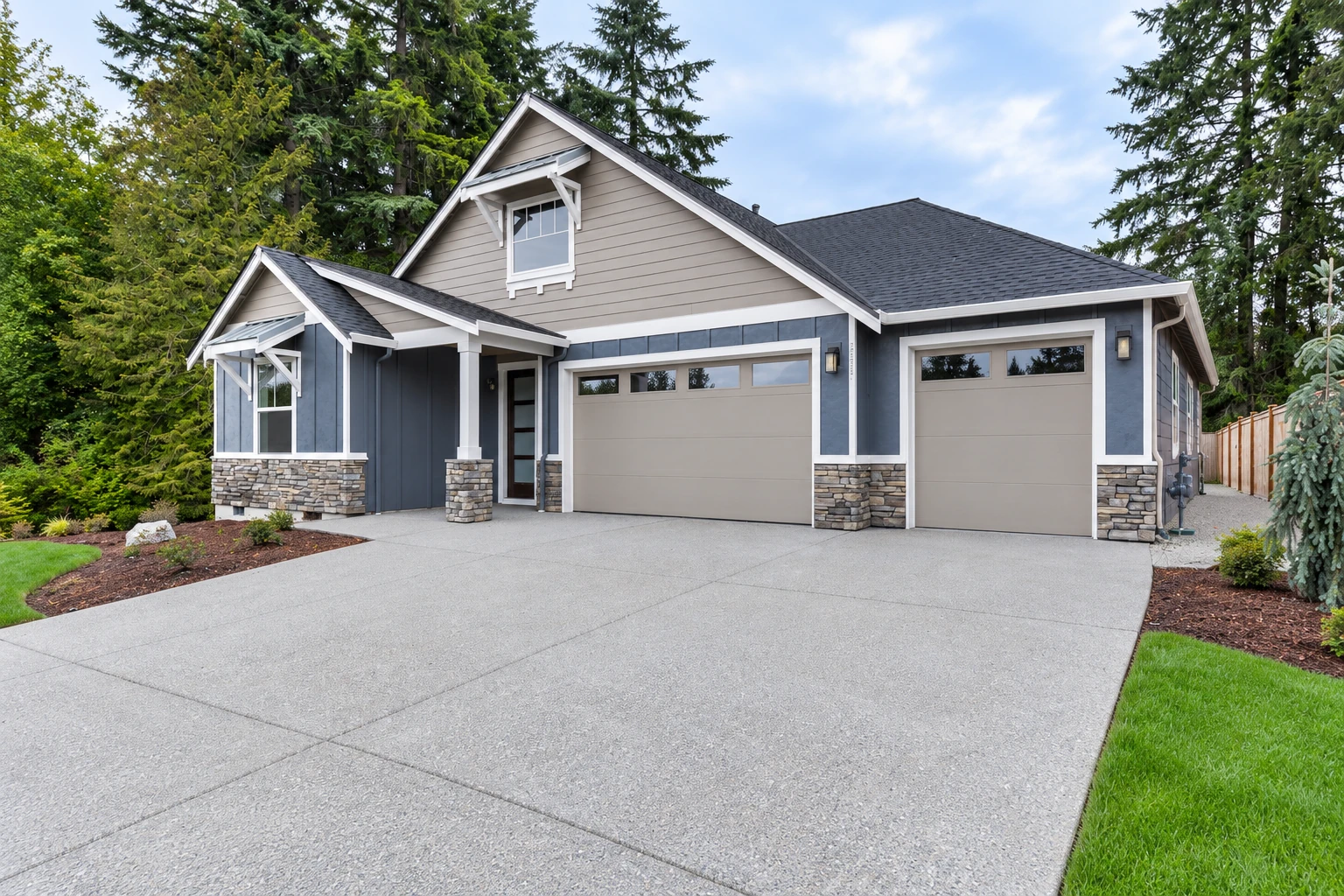
Concrete driveway building in Hoboken NJ - a slab built for New Jersey winters
Cracked, sinking or puddling driveway? We dig out, pack a crushed stone base and pour a new slab that drains away from your house.
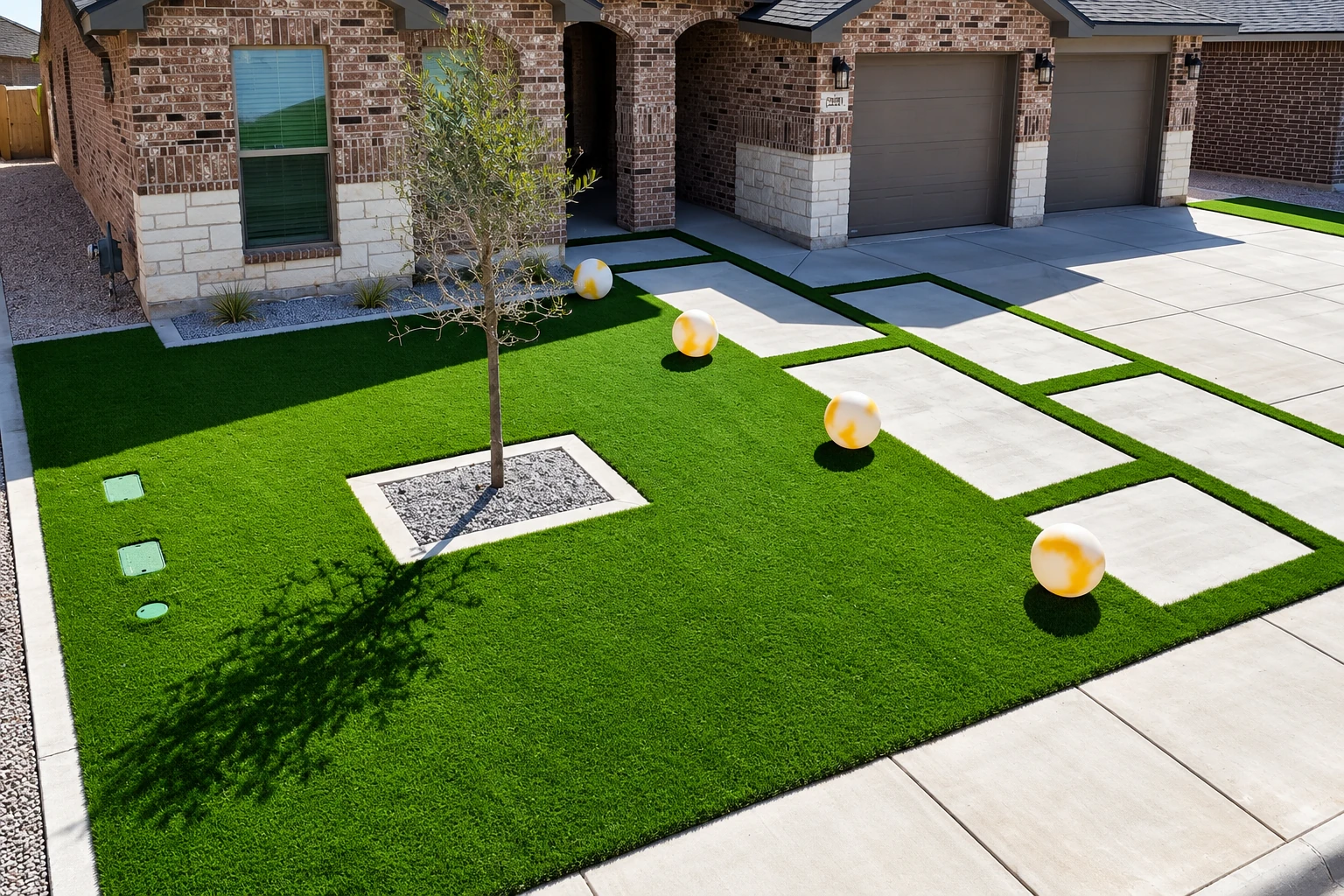
Is a new concrete driveway worth it in Hoboken?
Concrete driveway building in Hoboken means we tear out the old surface, pour a new slab over a packed crushed stone base and let it cure, so you end up with a driveway that's durable for the long haul and looks clean. It costs more up front than asphalt, so it suits you if you'd rather pay once for a driveway that lasts.
Most people call Premium Hoboken Concrete when the old driveway has cracked through, dropped at one end or holds a puddle every time it rains, and the first thing they ask is whether a new slab will just do the same thing. Your price mostly comes down to the size, how much old material we break out and haul away, how deep the base work has to go and the finish you pick. The schedule turns on the weather and on the days the slab needs to cure before you drive on it, and the on-site estimate is where you get the figure for your own driveway.
How we handle concrete driveway building
I start by looking at where the water runs now, because a slab that falls toward the house just moves the puddle to your foundation. Then we break out the old driveway and dig down to the subgrade, the firm ground the slab will sit on, instead of raking loose dirt level and hoping it holds. We lay crushed stone in layers and pack each one, set the forms with a steady fall away from the house and put in rebar, the steel inside that holds the slab together if it ever cracks. We pour early in the day so midday heat can't leave a weak, dusty top, give it a broom finish so tires and shoes grip when it's wet, and cut control joints early, which are planned grooves that tell the slab where to crack so it doesn't pick its own spot. Then it cures, the wait that lets the concrete reach its strength before it carries a car. When budgets get tight, the base is the first thing people want to trim because nobody sees it on day one, and it's the one place I won't, because poor prep is what lets a driveway go early.
A driveway often isn't the only flatwork a house needs, and flatwork just means the flat slabs like walks, patios and driveways. If the back yard needs a slab too, we do concrete patio construction on the same kind of packed base, and if plain gray isn't what you pictured out front, our stamped concrete services give the driveway a stone or brick look.
Broom-finish concrete
This suits most driveways, because the light texture gives grip in rain and snow and it's the easiest surface to keep clean. It's also the plainest finish, which leaves more of the budget for the base.
Stamped or colored surface
This suits you if the driveway is the first thing people see and you want it to look like more than a slab. It costs more than a broom finish, and it goes on the same well-built base underneath.
Thicker slab for delivery traffic
A Michigan concrete trade group's guideline calls for a thicker slab when delivery vehicles use the driveway. Tell us at the estimate what pulls in regularly, so we can talk about sizing the slab for the heaviest thing on it.
Asphalt, if the first bill matters most
Concrete costs noticeably more up front than asphalt, so if today's price is the deciding factor, asphalt can make sense. I'll walk through both with you so the choice fits your budget and how long you plan to stay.
Concrete driveway building in Hoboken, from permits to frost
Hoboken's Engineering Division issues street opening permits, and taking out, repairing or replacing public sidewalk needs its own permit, so if your new driveway means opening the street or touching the sidewalk out front, that part goes through the city. Their list names that work and not driveway building itself, so it doesn't settle whether your driveway needs a permit of its own, and the Engineering Division is the office to ask. We check with the city's office on what your job calls for, pull the permits that fall to us and tell you early if plans or another approval have to come first.
New Jersey's freeze and thaw is hard on every driveway material, and asphalt actually handles it a little better because it flexes, so concrete only earns its price here when it sits on a properly packed crushed stone base. We work out of Hoboken and take jobs across the cities around it, and the short, tight driveways between older houses we see here are much the same on jobs in Jersey City and Bayonne.
Concrete driveways, start to finish
Why call us for driveways
I look at every driveway myself
I come out to look at every job myself, and our crew lead runs the work on site. The person who sized up your driveway is the one making the calls, not a salesman you'll never see again.
In business since 2017
I learned the trade pouring steps and patching walks for Hoboken neighbors, mostly by working out why old concrete failed. That's exactly what I'm looking for when I walk your old driveway.
Licensed, insured and easy to check
We're fully licensed and insured. New Jersey's Division of Consumer Affairs counts residential driveway work as home improvement contracting, and you can check a contractor's registration with the Division before you hire anyone, us included.
The job explained before it starts
People call us because they want to know what's going to happen before it happens, so I walk you through the base, the drainage and the cure at the estimate. The finished driveway is backed by our satisfaction guarantee.
If your driveway is cracked, sinking or holding water, ask for an estimate or call (201) 502-5351.
(201) 502-5351Get a concrete driveway estimate at your property
We get back to you within one business day to set a time to see the driveway. The estimate is free, done on site and comes with no obligation. If you can, add the rough size in square feet and whether delivery vehicles use it, so we come ready to talk about thickness.
Concrete driveway questions from Hoboken owners
How much does a concrete driveway cost in New Jersey?
A new concrete driveway in New Jersey, installed, usually costs about $8 to $18 per square foot, going by a statewide price guide. Where yours lands in that range comes down to the size, the tear-out, how much base work the ground needs and the finish. We'll give you a figure for your own driveway once we've seen it.
How long does a concrete driveway last compared with asphalt?
Concrete usually lasts 25 to 50 years, while asphalt lasts 15 to 25 years and needs sealcoating every 2 to 3 years along the way. So concrete is the long-term project, and asphalt trades a lower first bill for regular upkeep. That's the trade-off we'll talk through for your house.
When can I park on my new concrete driveway in Hoboken?
Plan on parking somewhere else for about a week. A Michigan concrete trade group's guideline says a new driveway can open to traffic after 7 days of curing, or sooner if testing confirms it has reached its strength. Keep cars off it until then, even if it looks hard.
Can a concrete driveway be poured in late fall or winter in Hoboken?
Only with care. A ready-mix concrete trade group urges caution about pouring outdoor concrete in late fall, winter or early spring if freezing temperatures could reach it while it's still saturated. We time the pour for a stretch when no freeze is expected soon after, so if you're planning ahead, call early and we'll pick that window together.
How do I protect a new concrete driveway in its first winter?
Skip deicing chemicals the first winter and use them in moderate amounts after that, which is what a ready-mix concrete trade group advises. Good dense concrete with entrained air, tiny bubbles mixed in on purpose, along with good curing, cuts down on scaling, the flaking of the top surface. Those are fair things to ask any contractor about.
Should I seal a new concrete driveway, and when?
If you want it sealed, that's a job for about a month after the pour, not pour day. A Michigan concrete trade group's guideline says a penetrating sealer can go on 30 days after placement and typically needs reapplying every three to five years. Ask us about it at the estimate if you'd like it in the plan.
Plan your driveway, base and drainage with us
Where the water runs on your lot today tells us most of what the new slab needs, so call (201) 502-5351 or send the form.