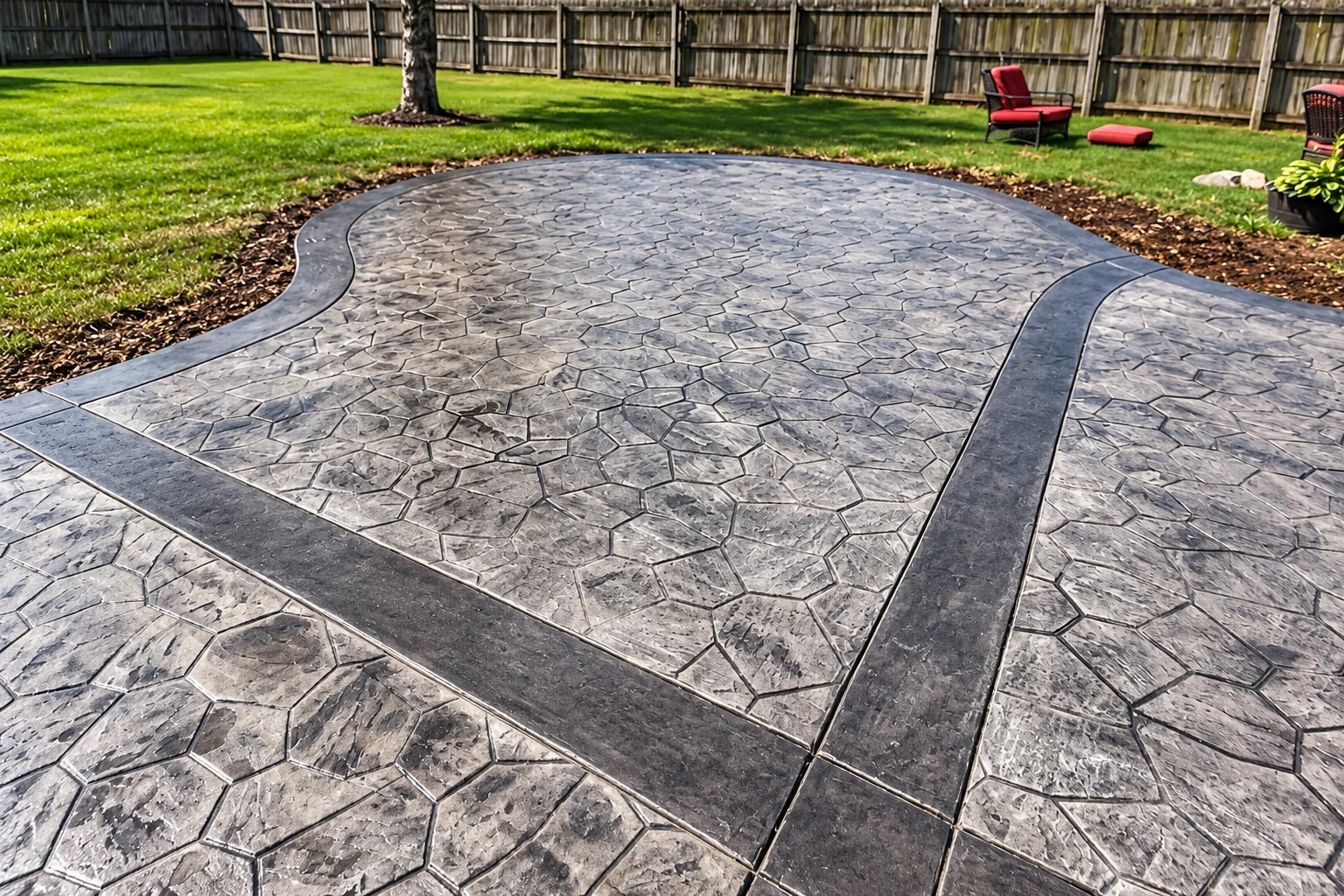
Concrete parking lot building in Hoboken NJ - paving that lasts with little upkeep
Cracked, sinking or pooling lot? We build concrete parking areas on a packed base, with sealed joints and water sent where it should go.
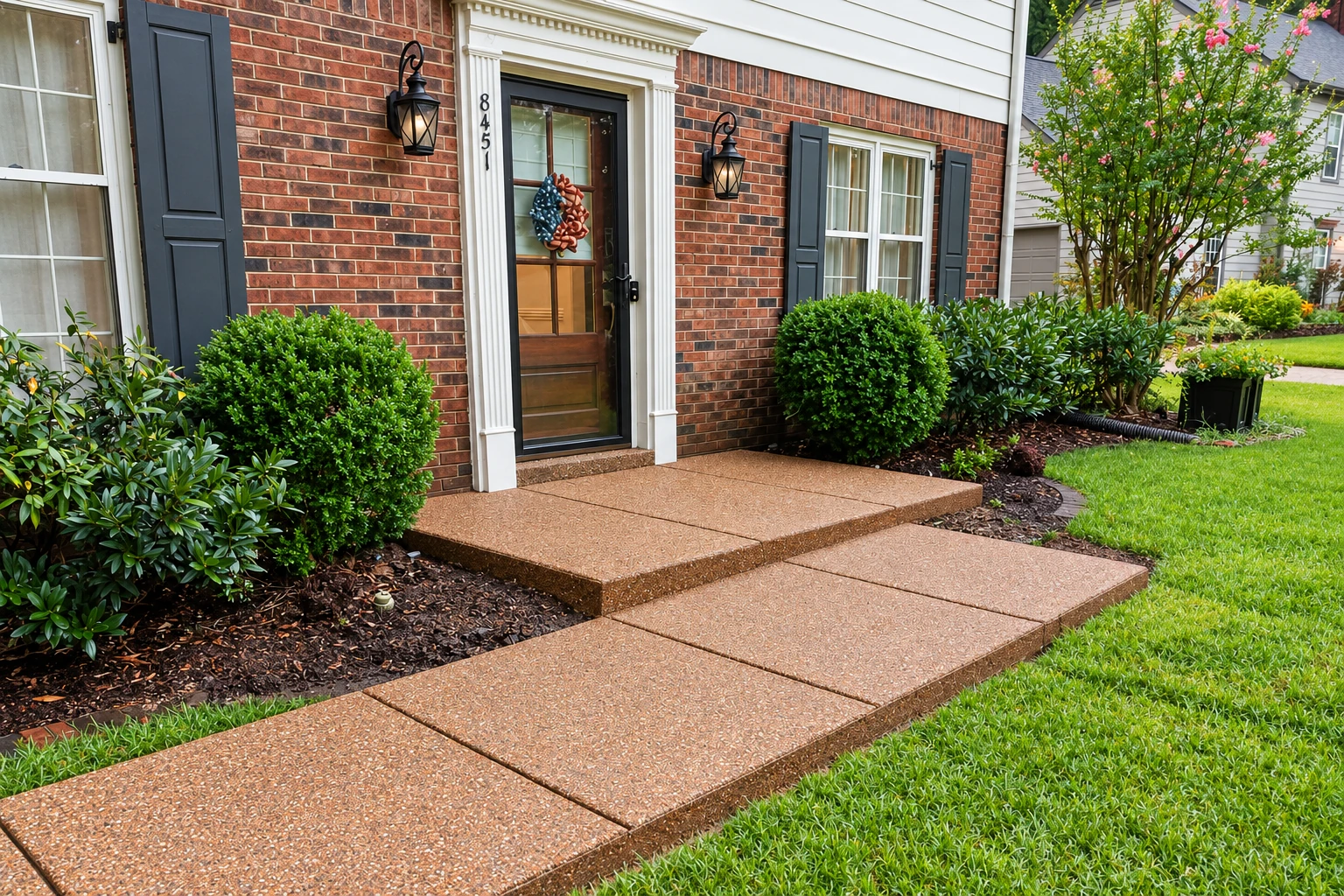
What does building a concrete parking lot in Hoboken involve?
Concrete parking lot building in Hoboken, NJ means clearing out the old surface and soft ground, packing a solid base and pouring a slab laid out for parked and turning cars and for rain, so the lot can give you many years of service with little upkeep.
Most owners call us when a lot has broken into pieces, sinks where cars turn or holds water for a day after it rains. The price moves with the size of the lot, how much old paving and soft fill has to come out, how much base work it needs, whether you go with regular or pervious concrete, which joint sealant you pick and, on a tight Hoboken lot, how easily the trucks can get in. The schedule usually turns on city approvals more than on the pour, then on the weather and the cure before you can park on it. If only part of an old slab has failed, concrete cutting can take out the bad section without tearing up the rest. I come out, measure, look at where the water goes, and the estimate gives you your own figure.
How we build a concrete parking lot
First I help you weigh regular concrete against pervious for your site, and the price of each joint sealant against how long it holds up, and if pervious doesn't suit your soil or your traffic, I'll tell you. Then our crew digs down to firm subgrade, the ground the slab sits on, and packs the stone base in layers, because a base that's only raked level settles with the dirt and takes the slab with it. We set the forms so water falls away from buildings and toward the drains, place rebar, the steel that holds the slab together if it cracks, where the layout calls for it, and pour early in the day so midday heat doesn't leave a weak, dusty top. We give it a broom finish, a light ridged texture that gives tires and shoes grip in the rain, cut control joints, grooves that tell the slab where to crack, as soon as the concrete can take the saw, and keep it curing, the slow hardening that gives it its strength, before any car rolls on. If the budget gets tight, I'd rather spend it on the base than on the surface, because you can redo a finish but you can't fix what's underneath without tearing the lot out.
A lot rarely stands alone. Light poles, a gate, a low wall or a dumpster pad all need concrete footings set before or alongside the pour, so we plan them into the same layout. If the building the lot runs up to has settled and its edge no longer lines up, foundation raising can bring it back before we set the new grade against it.
Regular concrete sloped to drains
This suits most lots, especially ones with heavy or turning traffic, because a solid slab pitched toward drains is the plainest way to carry cars and shed water. It's also the simpler choice when the soil underneath doesn't drain well.
Pervious concrete over a stone base
This suits a lot where you'd rather have rain soak through than run off, and where the ground below can take the water. It needs its own design and an installer who knows it, so we go over the fit with you before you commit.
Concrete parking lot building in Hoboken: permits, plans and water
In Hoboken, the city's Construction Code office issues the permit, and it says one is generally needed for new construction work. Before that permit is issued, work here often needs other approvals, such as zoning, historic or health reviews, and the city requires plans for most projects, signed and sealed by a New Jersey architect, so it pays to have an architect lined up before you apply. These steps come ahead of the build and usually set the schedule more than the concrete does. We check with the city's office on what your job calls for, pull the permits that fall to us and tell you early if plans or another approval have to come first.
Water is the other thing that shapes a lot here. The city's stormwater rules count laying or rebuilding paving that water can't pass through as disturbance, while milling and repaving isn't counted, so we sort out early which one your job is. A local civic group reports that FEMA's 2013 flood maps put 75 percent of Hoboken's land in a high-hazard zone, so check the current FEMA map for your parcel before the design is set. We work out of Hoboken and take jobs in the cities around it, and we grade for the same low ground and standing water on lots in Jersey City and Bayonne.
Concrete lots and paving work
Why call us for parking lots
I look at every lot myself
I come out to see every job myself, and our crew lead runs the work on site. You hear the plan from the person who answers for it, and the crew pouring your lot already knows it.
Started on Hoboken steps and walks
I started out pouring steps and patching walks for neighbors here and made it a business in 2017, learning mostly by taking apart why old concrete failed. That's why I spend the time on the base, the drainage and the cure, the parts you won't see once the lot is down.
Fully licensed and insured crew
We're fully licensed and insured. With trucks, saws and a crew working next to your building, the sidewalk and the street, you shouldn't be the one carrying that risk.
Send us the lot's address, its rough square footage and whether it's new paving or a repave through our contact form, email info@hobokenconcrete.com or call (201) 502-5351.
(201) 502-5351Get your parking lot looked at and priced
We get back to you within one business day to set a time, and I come out to look at the lot myself. The estimate is free, done on site and comes with no obligation.
Hoboken parking lot questions
How much does a concrete parking lot cost in Hoboken, NJ?
Commercial concrete flatwork, parking lots included, usually costs about $6 to $14 per square foot across the US. That's a national range for the market, not our price. Your own figure comes from the estimate after I've measured the lot and seen what has to come out.
Do I need a permit to build a parking lot in Hoboken?
Probably, since Hoboken's Construction Code office says a permit is generally needed for new construction work. If you're not sure about your lot, the office's staff help owners work out whether theirs needs one. Other approvals and an architect's plans often come first, as covered above.
How long do joint sealants last on a concrete parking lot?
Federal highway guidance gives hot-poured sealants 3 to 8 years, silicone sealants 8 to 10 years and preformed seals up to 20 years. Preformed seals cost the most up front and hot-poured the least, so you're trading price now against years of service. We price the options side by side so you can pick.
Why do the joints in a concrete parking lot need to be sealed?
Sealing keeps grit and hard debris out of the sawed joint and the layers below it. Seals may also limit water seeping into the pavement. We saw the joints, then seal or fill them before the lot goes into use.
What is the best way to tell if pervious concrete suits my parking lot?
Look at the soil, the storms it has to handle and the traffic, because pervious concrete sits on a stone base that stores rain until it soaks in, and those layers are sized to all three. The National Ready Mixed Concrete Association calls an experienced installer vital, advises a specification written just for pervious and certifies pervious contractors, so ask each bidder about that certification.
How long does a new concrete parking lot need to cure?
For pervious concrete, the association advises curing under plastic sheeting, starting soon after it's placed and continuing through 7 days. Regular concrete needs its own wait before cars go on it, and we keep traffic off until it's ready, because a slab driven on too soon can crack early. We'll go over the wait at the estimate so you can plan around it.
Plan your parking lot, its base and drainage
Call (201) 502-5351 or send the form early, so the concrete side is settled before your architect's plans go to the city.